Ideas to hardware
Print a research prototype or teaching model without tooling and keep the project moving.
From idea to hardware fast — research prototypes and teaching models, no minimum quantity.
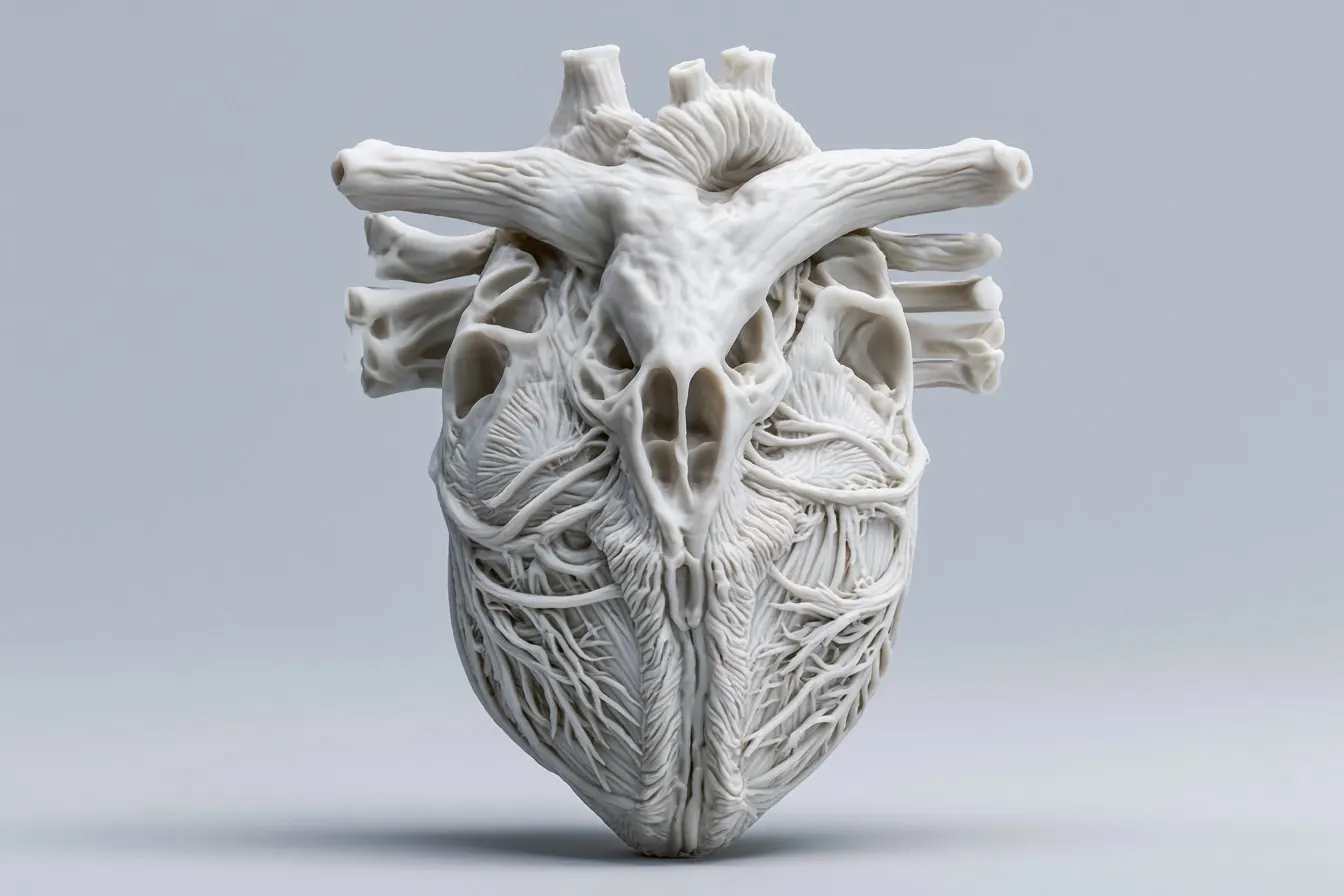
Labs and classrooms need parts, not machines to maintain. Additive manufacturing turns a research idea or a teaching concept into hardware without tooling, across the broadest material range — from high-detail resin models to functional nylon fixtures and metal test specimens. There is no minimum quantity, so a single research prototype or a class set both make sense.
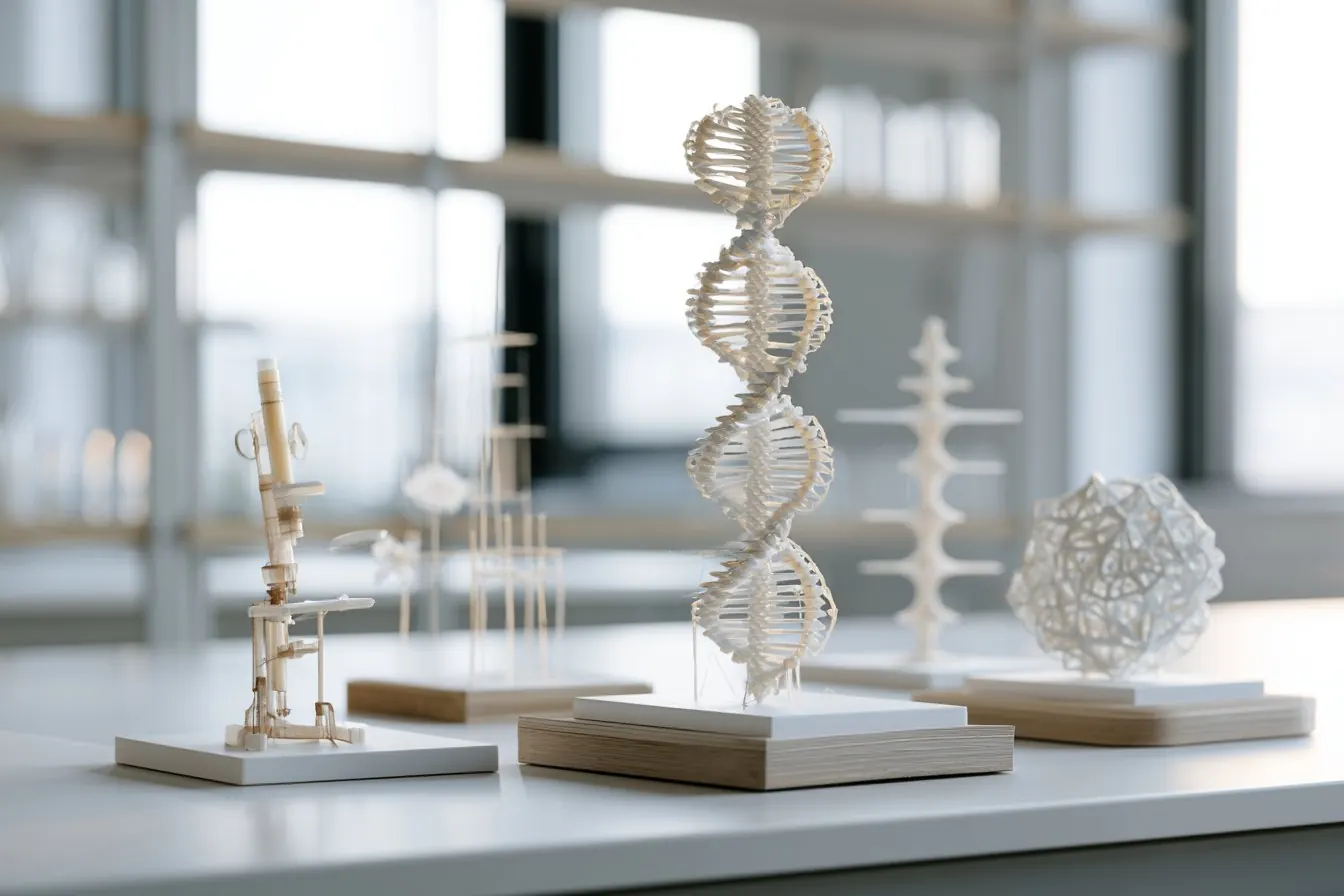
Print a research prototype or teaching model without tooling and keep the project moving.
Order one part or a class set — pricing is per part, so budgets stretch further.
Resin, nylon, flexible TPU and metal from one supplier covers most lab and teaching needs.
Consistent process and documented materials make results comparable across a study.
Processes we useNylon — MJF / SLS →Resin — SLA →Resin — LCD →Flexible & PP — SLS →Metal — DMLS / SLM →
All-round durable nylon for functional prototypes and lab fixtures.
High resolution for teaching aids, anatomical and demonstration models.
ABS-like resin for robust test specimens and gauges.
Flexible elastomer for soft models and experiment rigs.
Corrosion-resistant stainless for durable equipment components and metal specimens.
Typical starting points for the processes used in Education & Research — not contractual limits. Confirm critical tolerances with us before production.
| Min wall thickness | 0.7 mm (SLS) / 0.5 mm (MJF) |
|---|---|
| Typical tolerance | ±0.3 mm (or ±0.3%) |
| Layer height | 80–120 µm |
| Max build size | up to 360 × 560 × 660 mm |
| Supports | None — parts are self-supporting in the powder bed |
| As-built surface | Uniform matte; dyeable (black and colours) |
| Min wall thickness | 0.5 mm (fine features from 0.3 mm) |
|---|---|
| Typical tolerance | ±0.15 mm (or ±0.2%) |
| Layer height | 25–100 µm |
| Max build size | up to 1700 × 800 × 600 mm (large-format) |
| Supports | Required; removed and UV post-cured |
| As-built surface | Smooth; sandable and paintable |
| Min wall thickness | 0.4 mm (fine features from 0.2 mm) |
|---|---|
| Typical tolerance | ±0.1–0.2 mm |
| Layer height | 35–100 µm |
| Max build size | up to 200 × 125 × 210 mm |
| Supports | Required; removed and UV post-cured |
| As-built surface | High detail; smooth finish |
| Min wall thickness | 1.0 mm |
|---|---|
| Typical tolerance | ±0.3 mm |
| Layer height | 100–120 µm |
| Max build size | up to 380 × 380 × 284 mm |
| Supports | None — self-supporting powder bed |
| As-built surface | Matte; flexible in thin walls |
| Min wall thickness | 0.5 mm |
|---|---|
| Typical tolerance | ±0.1–0.2 mm (or ±0.2%) |
| Layer height | 20–60 µm |
| Max build size | up to 420 × 420 × 450 mm |
| Supports | Required; removed, then stress-relieved / heat-treated |
| As-built surface | Ra ≈ 8–15 µm; critical faces machined on request |
Finishes commonly specified for Education & Research. Availability depends on the material; the exact price is shown in your instant quote.
Even matte finish for models and test specimens.
See finishing details →Smooth surface for teaching aids and demonstration models.
See finishing details →Colour-coded parts for teaching sets and assemblies.
See finishing details →Single parts are welcome. Order a single research prototype or a full class set — pricing is per part; small baskets are topped up to the minimum order value shown in the quote.
Resin, nylon, flexible TPU and metals such as 316L — one supplier covers most lab and teaching needs. Tell us the intended use and we will advise.
Yes — durable nylon and Tough resin produce robust specimens and gauges. Share the load or test conditions and we will suggest a material.
Production typically takes 10–20 working days from order confirmation, plus shipping; the quote states the exact date.
Upload your STL and get an instant, itemised price — no account required.
Upload your STL