Light and stiff carbon nylon
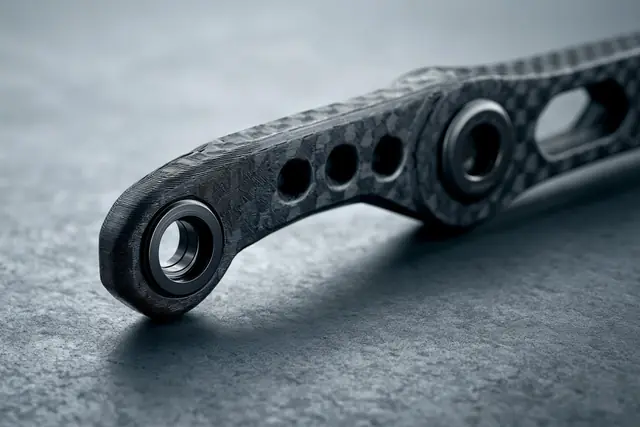
Carbon-fibre nylon gives a high stiffness-to-weight ratio for airframes and structural brackets.
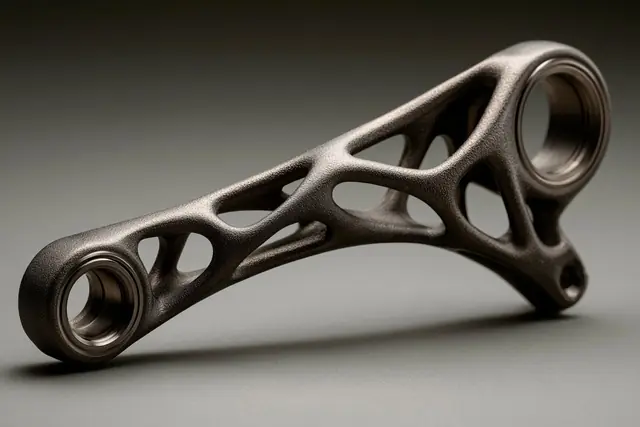
Light, stiff airframes and mounts in carbon-fibre nylon and lightweight metal.
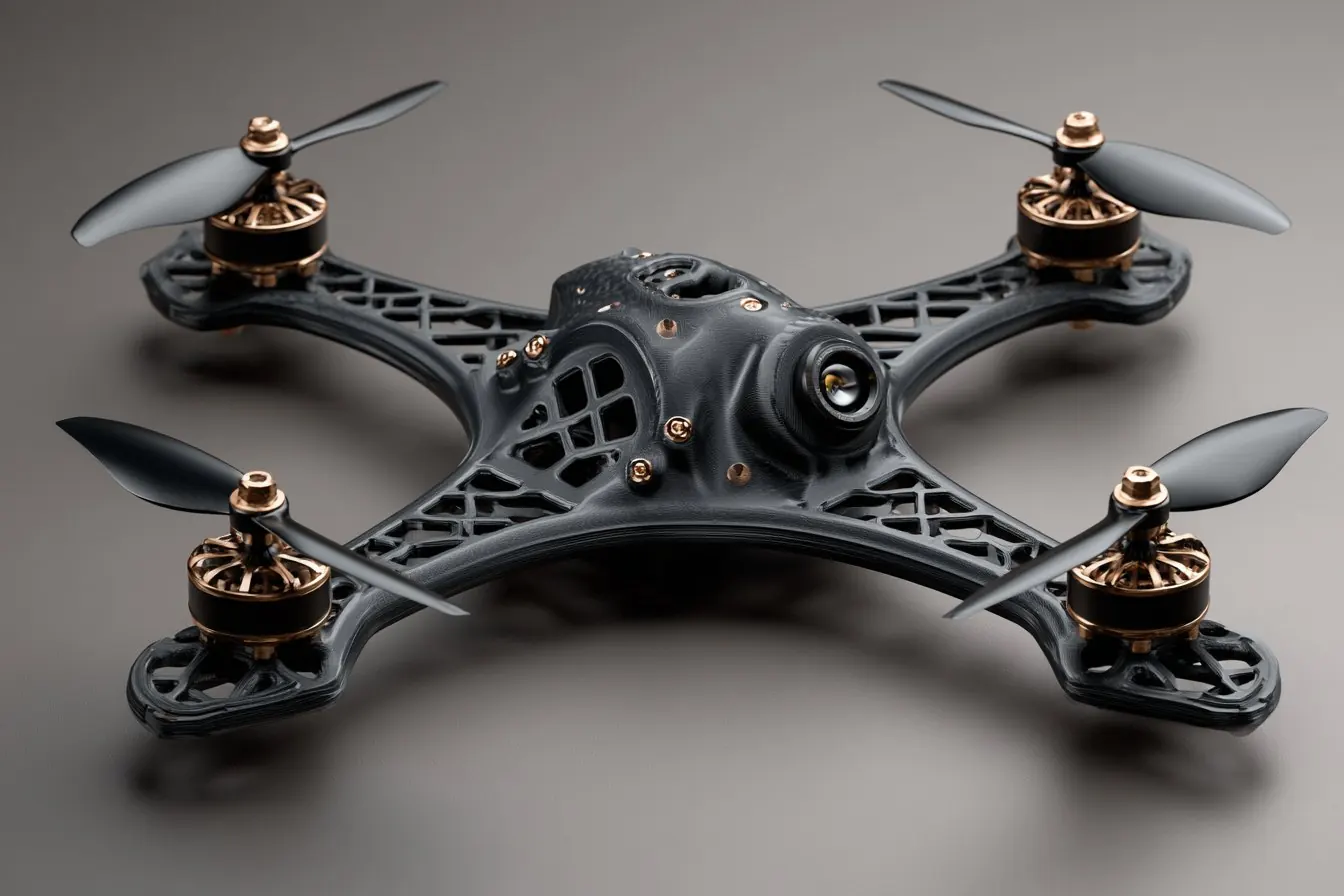
Every gram matters on an airframe. Carbon-fibre-reinforced nylon prints stiff, light structural parts — chassis, mounts and brackets — with weight-optimised geometry that would be impossible to machine, and metal SLM handles high-stress fittings in aluminium or titanium. Rapid iteration means an airframe revision is a new upload, not a new tool.
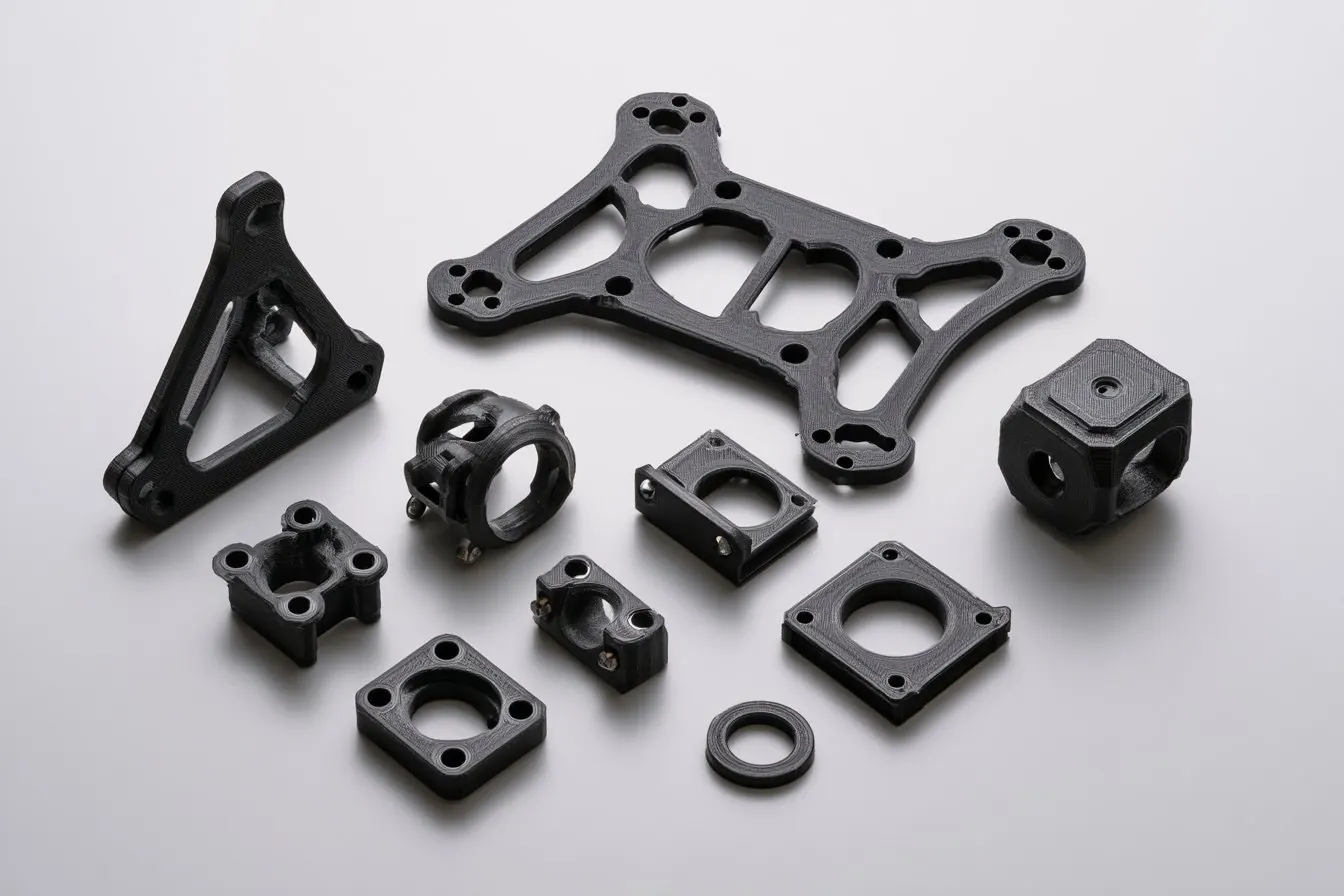
Carbon-fibre nylon gives a high stiffness-to-weight ratio for airframes and structural brackets.
Lattice infill and topology-optimised forms cut mass exactly where the loads allow.
Engineering nylons and metals hold up to motor heat and airframe vibration.
A design change is a new upload — iterate an airframe without tooling cycles.
Processes we useNylon — MJF / SLS →Metal — DMLS / SLM →Resin — LCD →
Carbon-fibre-reinforced nylon for stiff, lightweight airframes and structural brackets.
General-purpose nylon for housings, mounts and enclosures.
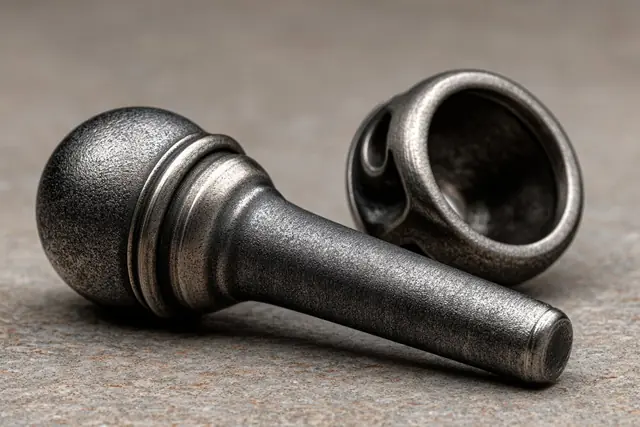
Lightweight aluminium alloy for load-bearing metal brackets and fittings.
High strength-to-weight titanium for high-stress structural fittings.
Typical starting points for the processes used in Drones & UAV — not contractual limits. Confirm critical tolerances with us before production.
| Min wall thickness | 0.7 mm (SLS) / 0.5 mm (MJF) |
|---|---|
| Typical tolerance | ±0.3 mm (or ±0.3%) |
| Layer height | 80–120 µm |
| Max build size | up to 360 × 560 × 660 mm |
| Supports | None — parts are self-supporting in the powder bed |
| As-built surface | Uniform matte; dyeable (black and colours) |
| Min wall thickness | 0.5 mm |
|---|---|
| Typical tolerance | ±0.1–0.2 mm (or ±0.2%) |
| Layer height | 20–60 µm |
| Max build size | up to 420 × 420 × 450 mm |
| Supports | Required; removed, then stress-relieved / heat-treated |
| As-built surface | Ra ≈ 8–15 µm; critical faces machined on request |
| Min wall thickness | 0.4 mm (fine features from 0.2 mm) |
|---|---|
| Typical tolerance | ±0.1–0.2 mm |
| Layer height | 35–100 µm |
| Max build size | up to 200 × 125 × 210 mm |
| Supports | Required; removed and UV post-cured |
| As-built surface | High detail; smooth finish |
Finishes commonly specified for Drones & UAV. Availability depends on the material; the exact price is shown in your instant quote.
Even matte finish that hides layer lines on airframes.
See finishing details →Tight tolerances on motor mounts and bearing seats.
See finishing details →Reusable threads for repeated assembly of mounts and brackets.
See finishing details →Colour-code or finish nylon airframe parts.
See finishing details →Carbon-fibre-reinforced nylon (PA6 CF) gives the best stiffness-to-weight ratio for chassis and structural brackets. Metal (AlSi₁₀Mg, Ti₆Al₄V) handles high-stress fittings.
Yes — lattice infill and topology-optimised geometry cut mass where the loads allow. Share the load cases and we will advise on wall thickness and orientation.
We print to your design and material spec; airworthiness, flight testing and regulatory approval remain with you.
A design change is a new upload — each revision typically takes 10–20 working days of production plus shipping, with no tooling to remake.
Upload your STL and get an instant, itemised price — no account required.
Upload your STL